
Introduction to Fashion Trends of 2026
The fashion landscape of 2026 is distinctly characterized by a fusion of modern styles and innovative influences. Various factors have converged to shape the trends that dominate the current scene, including societal changes, technological advancements, and varying cultural expressions. As we delve into the world of fashion this year, it’s evident that sustainability continues to hold significant importance, prompting both designers and consumers to prioritize eco-friendly practices. This shift toward sustainable fashion reflects a growing awareness of the environmental impact of clothing production and consumption.
Technological advancements have also played a critical role in shaping the fashion trends of 2026. With the rise of virtual reality and augmented reality, the way consumers interact with fashion is evolving rapidly. Online shopping experiences have become more immersive, allowing customers to virtually try on clothing and accessories before purchasing. This technological integration not only enhances consumer engagement but also introduces fresh creative opportunities for designers, enabling them to experiment with styles that blend the physical and digital realms.
Culturally, the fashion scene in 2026 is marked by diversity and inclusivity. Designers are increasingly embracing varied aesthetics that reflect a broader representation of different identities and lifestyle choices. As a result, the trends observed this year highlight a mix of global influences, showcasing unique patterns, colors, and silhouettes inspired by various cultural heritages. The blending of sartorial techniques and signatures mirrors the multitude of voices that contribute to today’s fashion narrative, creating a rich tapestry of styles that cater to a wide array of tastes.
Overall, the fashion trends of 2026 encapsulate a dynamic interplay between innovation and tradition. As we explore the specific styles, silhouettes, and color palettes that are thriving in this vibrant fashion era, it becomes clear that the future of fashion is not just about aesthetics, but also a reflection of societal values and technological progress.
Key Color Palettes for 2026
As we delve into the fashion trends of 2026, it is essential to note the pivotal role color palettes play in defining the aesthetic direction of the year. The color trends this year reveal a captivating blend of vibrancy and subtlety, resonating with the collective mood and aspirations of society. The prominent shades are inspired by various influences, particularly nature, technology, and contemporary art.
One of the standout color groups for 2026 is an array of warm earth tones, which include rich ochres and terracotta. These shades evoke feelings of stability and connection to nature, resonating with the increasing societal inclination towards sustainability and environmental consciousness. Paired with softer, muted greens, these warm colors create a harmonious palette that reflects both groundedness and freshness.
Complementing the earthy hues is a striking introduction of bold, vibrant colors. Bright jewel tones like deep emerald green and royal blue are making waves this season, infusing excitement and energy into fashion pieces. This resurgence of vivid colors aligns with the optimistic outlook many individuals are embracing as communities recover from recent global challenges. Such colors not only elevate personal expression but also enhance overall visibility in the fashion landscape.
In addition to these warm and bold tones, the influence of technology is palpable with a rise in metallic and iridescent shades. These futuristic colors, often identified as “tech hues,” serve to symbolize innovation and the digital age. When seamlessly blended with the other color categories, these shades can break conventional patterns, encouraging designers to experiment further with textures and finishes.
As we observe these key color palettes for 2026, it becomes clearer that the convergence of nature’s beauty, technological advancements, and artistic expression is shaping a diverse and inspiring fashion landscape.
Innovative Fabric Choices
As we step into 2026, the fashion industry is witnessing a remarkable shift towards innovative fabric choices that are not only stylish but also sustainable and technologically advanced. This evolution reflects a growing awareness among consumers and designers alike regarding the environmental impacts of traditional textile production. Consequently, materials such as organic cotton, Tencel, and recycled polyester are taking center stage, meeting the demand for eco-friendly fashion without compromising on aesthetics.
The advent of smart textiles marks a significant trend in this year’s offerings. These fabrics are imbued with advanced technology, enabling features such as moisture-wicking, temperature regulation, and even integrated LED displays. Designers are capitalizing on these innovative options to create garments that enhance both the functionality and performance of the apparel. For instance, activewear garments made from breathable, moisture-absorbing fabrics have become essential in maintaining comfort during various physical activities. This blend of technology and style presents consumers with versatile options that serve multiple purposes.
Moreover, experimentation with textures is profoundly influencing the landscape of fabric choices in 2026. Designers are merging unexpected materials, such as silicone and 3D-printed textiles, offering a unique visual appeal while enhancing breathability and comfort. These avant-garde creations allow for a freedom of expression that resonates with a fashion-forward audience eager for originality. In summary, as the industry shifts towards these innovative fabric choices, we can expect to see a harmonious blend of sustainability, functionality, and design creativity that caters to the evolving preferences of fashion enthusiasts.
Silhouettes: The Shape of Things to Come
The fashion landscape of 2026 is marked by an exciting evolution in silhouettes, reflecting a broader cultural embrace of diversity and individuality in body shapes and sizes. The traditional fitted silhouettes that dominated past trends are gradually yielding to a more relaxed, voluminous approach. The shape of clothing is being reshaped into innovative forms that defy conventional aesthetics, highlighting the celebration of the human body in all its variations.
One notable trend is the resurgence of oversized silhouettes, which are being celebrated for their comfort and inclusiveness. Billowing sleeves, wide-legged trousers, and roomy coats have become staples for both casual and formal settings. These pieces not only accommodate different body types, but also allow for layering, creating an adaptable wardrobe that can cater to any occasion. This shift towards comfort is resonating profoundly with consumers seeking practicality and ease in their everyday wear.
Additionally, asymmetrical cuts have gained traction, offering dynamic visual interest and emphasizing the playful side of fashion. Dresses and tops that feature uneven hems or unexpected draping add an element of surprise, contributing to a sense of personal style that is uniquely tailored to the wearer. Asymmetry not only plays with traditional notions of balance in fashion, but also invites experimentation and self-expression, making it a powerful choice for those looking to stand out.
The embrace of diverse silhouettes has profound implications for the representation of body positivity within the industry. Designers are increasingly acknowledging different body shapes, incorporating inclusive sizing and promoting garments that enhance and flatter various curves. Consequently, fashion in 2026 is not merely about following trends; it is about empowering individuals to embrace their own physicality through thoughtfully designed silhouettes.
Accessories: Statement Pieces of 2026
The fashion landscape of 2026 is undeniably vibrant, with accessories playing a pivotal role in elevating individual style. A notable trend this year is the revival of oversized bags, which serve as both functional items and bold statement pieces. These bags come in various materials and colors, often featuring unique textures and embellishments that make them stand out. Designers are favoring shapes that combine elegance with a touch of playfulness, allowing wearers to express their personality through their choice of an accessory.
Shoe trends in 2026 are equally exciting, with a noticeable shift towards platform sandals and chunky heels. These footwear options not only enhance height but also add a contemporary twist to any outfit, be it casual or formal. Bright colors and unexpected prints are prevalent, allowing individuals to convey their distinctive style. Additionally, the integration of sustainable materials into shoe design aligns with the broader push for eco-friendly fashion, reflecting a conscientious consumer base.
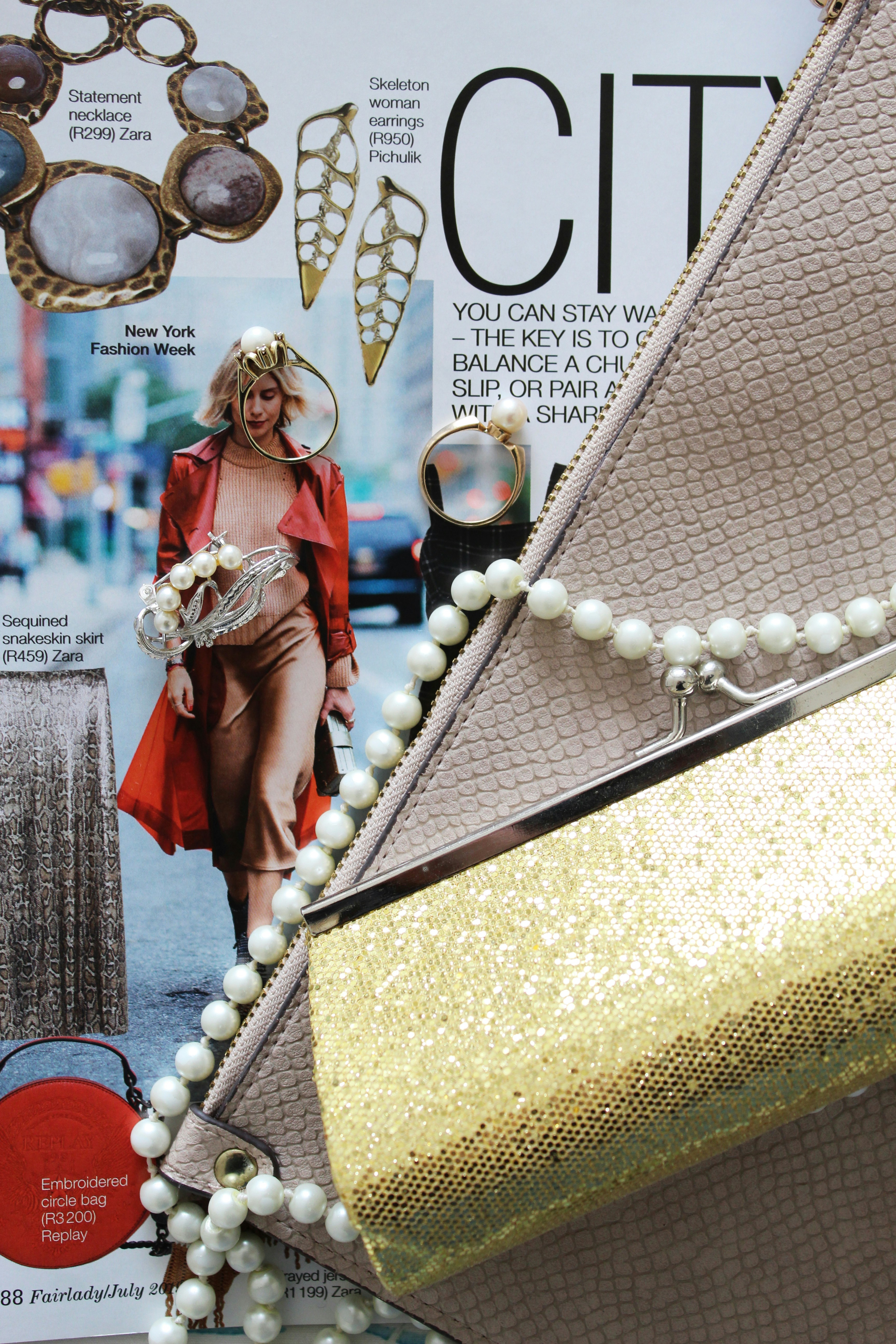
Jewelry in 2026 is characterized by layered necklaces and mix-and-match earrings. Minimalism finds its balance with statement pieces, where delicate chains can be paired with bold pendants. This form of layering allows for personal storytelling through accessories, a concept that resonates deeply in today’s fashion narrative. Additionally, bold cuff bracelets or oversized rings can add a dramatic flair to even the simplest outfits, underscoring the significance of accessorizing in personal style expression.
In eyewear, oversized frames with bold colors and intricate designs dominate the trend scene. Sunglasses are not merely protective gear but have evolved into essential fashion accessories that can dramatically alter the tone of an ensemble. The right pair of sunglasses offers both function and style, reinforcing the idea that well-chosen accessories can enhance personal flair and define one’s fashion identity.
Street Style Influences
As we delve into the street style trends of 2026, it becomes apparent that major urban centers are shaping the future of fashion in remarkable ways. Cities like Tokyo, New York, London, and Paris not only have rich fashion histories but also serve as incubators for new styles that often become mainstream. The synthesis of tradition and modernity in these cities fosters unique looks that are reflective of local cultures, lifestyles, and global influences.
Tokyo, for instance, remains at the forefront with its eclectic blend of heritage elements and futuristic designs. The prominence of technological fabrics and unconventional silhouettes reflects the city’s commitment to innovation while celebrating its cultural roots. Street fashion in Tokyo continues to inspire designers worldwide, with trends such as layered outfits and oversized accessories becoming increasingly prominent across global runways.
In New York City, the influence of streetwear has become more pronounced, merging casual and formal elements. This year, we see an amplification of bold colors and artistic patterns that exemplify individualism and self-expression, allowing wearers to assert their identities through fashion choices. Local artists and designers are pivotal in this movement, pushing boundaries through collaborations and unique collections that resonate with the urban lifestyle.
London remains a noteworthy player, showcasing a distinctive blend of punk, vintage, and high fashion elements. This year, the city has embraced sustainability with a focus on thrift culture and upcycling, urging consumers to rethink their purchasing habits. This shift toward responsible fashion not only influences local communities but also sets a precedent for global trends in ethical clothing.
In essence, the street style of 2026 illustrates how individual cityscapes provide a canvas for creativity and cultural expression. These fashion movements, driven by a blend of tradition, technology, and sustainability, continue to redefine how individuals interact with their attire on the streets, making urban areas vital in the evolution of contemporary fashion.
Fashion Forward: Gender Fluidity in 2026
In recent years, the concept of gender fluidity has gained significant traction in the fashion industry, influencing how clothing is designed, marketed, and consumed. As of 2026, this trend has evolved into a hallmark of modern fashion, challenging traditional gender norms that have long influenced consumer choices. The rise of unisex clothing lines epitomizes this shift, offering styles that transcend binary gender classifications.
Unisex collections are becoming increasingly prominent, showcasing designs that appeal to a wide audience regardless of gender. These lines often feature neutral colors, versatile cuts, and innovative materials that cater to diverse body types, promoting an inclusive approach to fashion. Brands that once adhered solely to male or female-specific designs are now expanding their offerings to include gender-neutral options, acknowledging the growing demand for apparel that aligns with varied gender identities.
Furthermore, social media platforms and influencer culture have played a pivotal role in shaping perceptions of gender fluidity within fashion. As influencers increasingly showcase their personal styles that defy traditional gender expectations, a broader acceptance of diverse gender expressions emerges. Fashion brands are taking note, collaborating with gender-fluid models and leveraging these relationships to promote their inclusive collections. This accessibility fosters a sense of belonging within the fashion community, encouraging individuals to embrace their unique identities through clothing choices.
The conversation surrounding gender fluidity extends beyond aesthetics; it also encapsulates the need for inclusivity within the industry. Designers are now prioritizing representation in their campaigns, opting for models that embody various gender identities, body types, and backgrounds. This commitment to diversity reflects a broader societal shift towards acceptance and understanding of different gender expressions.
Technological Innovations in Fashion
The intersection of fashion and technology has produced remarkable advancements, particularly as we move into 2026. Wearable technology continues to evolve, with clothing and accessories now seamlessly integrating smart devices that enhance functionality without sacrificing style. For instance, smart fabrics equipped with biometric sensors can monitor health metrics such as heart rate, body temperature, and even stress levels, providing consumers with fashion that contributes to their overall wellness.
Online shopping experiences have also undergone significant transformation. Immersive technologies such as Virtual Reality (VR) and Augmented Reality (AR) enable customers to engage with products in entirely new ways. Shoppers can virtually try on garments from the comfort of their homes, allowing them to visualize how items will look without the need for physical fitting. This technology not only enhances consumer satisfaction but also reduces return rates, benefiting both retailers and customers.
In the realm of fashion shows, augmented reality has revolutionized how designers present their collections. AR technology provides attendees and online viewers with immersive experiences, merging physical runway models with digital enhancements. This enables brands to tell compelling stories, showcasing their designs in various themed environments or interactive settings that captivate audiences everywhere.
Moreover, designers are harnessing cutting-edge technologies such as 3D printing and artificial intelligence. With 3D printing, bespoke fashion can be created at unprecedented speeds, enabling limitless design possibilities and reducing waste, which aligns with sustainable fashion initiatives. Meanwhile, AI algorithms analyze consumer preferences and industry trends, aiding designers in creating collections that resonate with target audiences.
These technological advancements not only elevate the fashion experience but also push the boundaries of creativity and innovation in the industry. As we advance further into 2026, the synergy between fashion and technology will continue to shape and redefine how we view style and identity.
The Future of Fashion Beyond 2026
The fashion landscape is ever-evolving, and the trends we see in 2026 are likely to be stepping stones toward even more dynamic styles in the years to come. As we move beyond 2026, it is essential to recognize that fashion does not exist in a vacuum; it is shaped by cultural, societal, and technological changes. The increasing importance of sustainability will continue to influence designers and brands, leading to innovative materials and ethical production methods that will redefine how we perceive clothing.
In addition to environmental considerations, the fusion of digital technology and fashion is set to accelerate. Virtual reality, augmented reality, and 3D printing are just a few examples of how technology is reshaping the industry. These advancements may give rise to personalized fashion experiences that allow consumers to experiment with unique styles without the constraints of traditional retail. This integration of technology into fashion is expected to blur the lines between the digital and physical realms even further.
As we embrace the future, it is crucial for individuals to remain open to change and adapt their personal styles in accordance with these emerging trends. The eclectic styles of 2026 hint at a more individualistic approach to fashion, where self-expression and authenticity take precedence. In this arena, trends may become fleeting, emphasizing the importance of curating a wardrobe that reflects one’s personality rather than simply adhering to the latest fads.
Ultimately, the future of fashion beyond 2026 will encourage readers to embrace not only the styles and trends that resonate with them but also to actively participate in shaping the industry. By understanding the forces at play and being receptive to change, we can all contribute to a vibrant and inclusive fashion narrative that honors diversity and creativity.