
Understanding Casual Wear
Casual wear, characterized by its comfort and relaxed fit, has evolved significantly from its origins. Initially designed for leisure and informal settings, casual clothing has transcended its modest beginnings to become a dominant style in modern wardrobes. The surge of casual Friday at workplaces, coupled with the rise of athleisure, has further pushed the boundaries of what constitutes appropriate casual attire, making it an essential element of personal style.
Common components of casual wear include jeans, t-shirts, sweaters, and casual dresses. Jeans, often associated with informal settings, now come in various cuts and washes, catering to diverse fashion tastes. Meanwhile, t-shirts have transformed from simple undershirts to statement pieces, featuring graphics, slogans, and unique designs that express individuality. Casual dresses offer women an effortless way to achieve comfort while still embodying a chic appearance, with options ranging from sundresses to maxi styles.
When selecting casual wear, it is essential to consider the occasion. For instance, pairing well-fitted jeans with a casual button-down shirt can suit a relaxed outing or brunch with friends, while a comfy dress can be perfect for summer picnics or casual events. Accessories play a crucial role in enhancing the versatility of casual outfits; a stylish belt or a statement necklace can elevate an otherwise simple ensemble.
Moreover, casual wear allows for greater flexibility in personal expression. With many styles available, individuals can create looks that reflect their unique personality while maintaining functionality. As societal norms around dress codes continue to relax, the adaptability of casual wear enables it to fit seamlessly into various aspects of life, from leisurely weekends to more spontaneous outings.
Exploring Formal Wear
Formal wear is a category of clothing typically associated with special occasions, professional environments, and events that require a certain level of sophistication and elegance. This type of attire is designed to convey a sense of seriousness and respect, often adhering to specific dress codes. Within the realm of formal wear, several categories exist, including business formal, cocktail attire, and black-tie events, each with its unique requirements and characteristics.
Business formal attire primarily caters to corporate settings and professional gatherings. For men, this often includes a well-fitted dark suit, complemented by a crisp dress shirt, a conservative tie, and polished dress shoes. Women typically opt for tailored suits, dresses, or skirts paired with blouses, along with sophisticated shoes that uphold a professional image. Understanding the nuances of a business formal dress code is critical for making a positive impression in the workplace.
Cocktail attire strikes a balance between formal and casual, suitable for semi-formal events and parties. For men, this can translate to a smart blazer or suit coupled with a dress shirt, occasionally allowing for a more relaxed tie or no tie at all. Women may choose a stylish cocktail dress or a chic ensemble that embodies evening elegance without being overly formal.
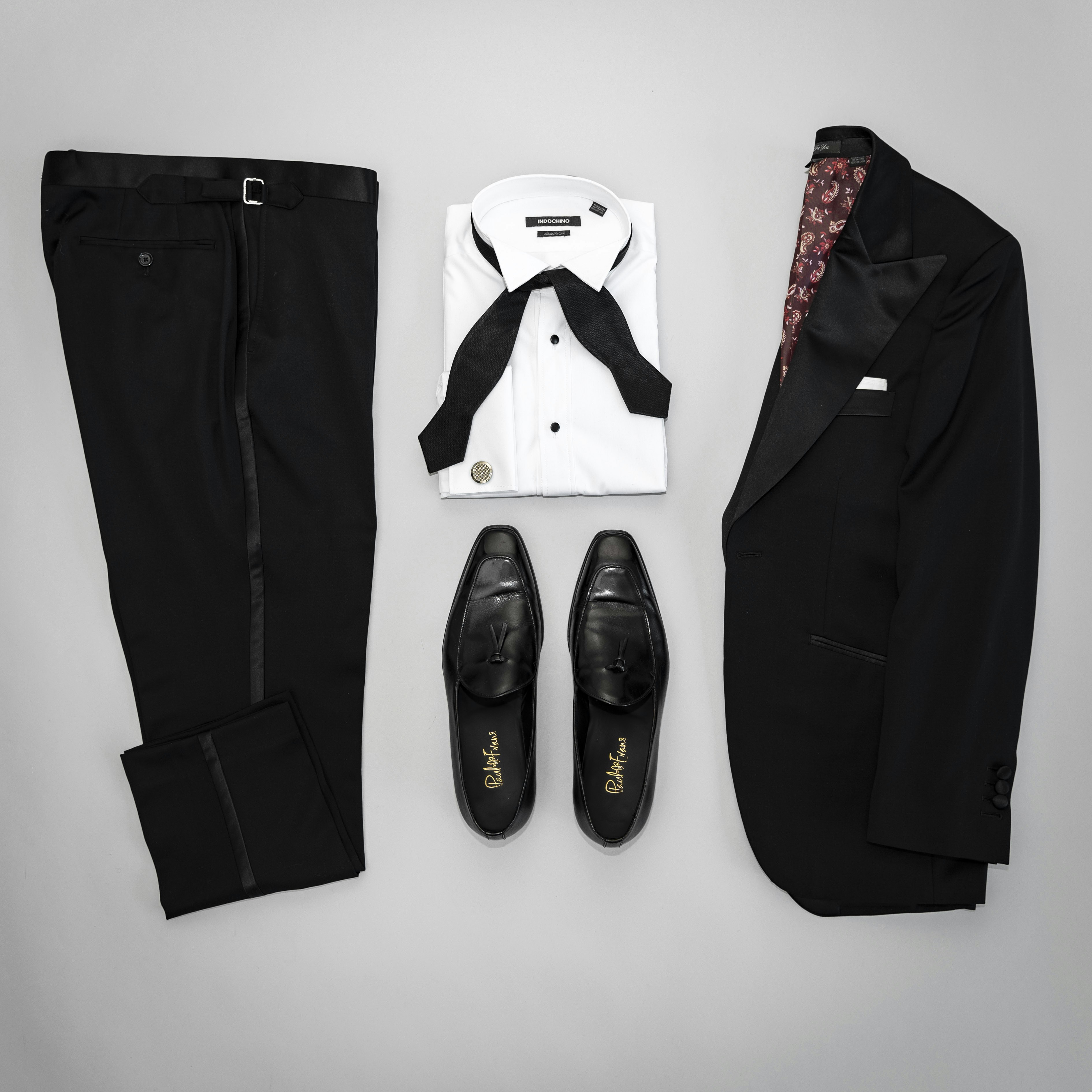
Black-tie events represent the pinnacle of formal attire, where strict adherence to dress codes is expected. Men are required to wear a black tuxedo, a white dress shirt, and a black bow tie, while women often select floor-length gowns or sophisticated cocktail dresses. Accessories such as cufflinks for men and elegant jewelry for women play an essential role in enhancing the overall look.
When selecting formal pieces, focus on quality and craftsmanship, as these ensure durability and elevate your outfit. Tailoring is equally important, as a well-fitted garment can dramatically improve one’s appearance, contributing to a polished and refined look that is crucial in formal settings.
The Versatility of Mixing Casual and Formal Wear
The trend of merging casual and formal wear has gained significant popularity in recent years, offering a fresh approach to fashion. This hybrid style allows individuals to express their personal flair while maintaining a polished appearance. The challenge lies in achieving a balance that marries sophistication with casual comfort. To successfully blend these two styles, it is essential to be intentional about the pieces selected for each outfit.
One practical tip for creating a well-balanced outfit is to start with a formal foundation. For example, a tailored blazer or structured trousers can serve as a base for your look. Pairing these pieces with more relaxed items, such as a graphic tee or casual sneakers, helps to soften the overall aesthetic. This combination not only enhances comfort but also adds an element of surprise to your attire.
Accessorizing plays a crucial role in achieving coherence when mixing casual and formal elements. For instance, if one opts for a casual top, pairing it with elegant jewelry can elevate the ensemble. Consider using statement necklaces or sophisticated watches to create a focal point that ties the outfit together. Similarly, a pair of chic heels can enhance the formal aspect of a casual dress or skirt, accentuating both comfort and style.
Examples of successful hybrid outfits include tailored pants paired with a simple, relaxed-fit sweater for a striking effect. Alternatively, a classic pencil skirt combined with a casual denim jacket presents a juxtaposition that is both stylish and practical. These outfit ideas illustrate how casual and formal wear can coexist harmoniously, allowing for innovative expressions of personal style. Ultimately, the key is to experiment with various combinations to discover which styles resonate best with your aesthetic, providing a unique yet sophisticated wardrobe.
Styling Tips and Trends for Both Categories
When it comes to mastering both casual wear and formal wear, understanding styling tips and current trends is essential. For casual wear, the foundation lies in comfort and individuality. Opt for breathable fabrics such as cotton or linen during warmer months, while knit materials or heavyweight fabrics serve well in colder seasons. Layering is a key technique; for example, combining a classic denim jacket with a light t-shirt and chinos can create an effortlessly stylish look. Additionally, color coordination plays a crucial role; utilizing neutral tones with splashes of brighter colors can create dynamic and visually appealing outfits.
Formal wear, on the other hand, emphasizes elegance and tailoring. Select fabrics like wool, silk, or high-quality polyester blends, which not only enhance the look but also improve durability. To ensure a sophisticated appearance, focus on well-fitted suits or dresses that complement your body type. Tailoring is an invaluable investment, as even the finest outfit can fall flat if it doesn’t fit correctly. Current trends in formal attire include the resurgence of classic styles such as double-breasted suits and elegant midi dresses, which can be accessorized with minimalist jewelry for a polished finish.
Popular brands and designers deliver a variety of options in these categories. For casual wear, brands like Uniqlo, Everlane, and H&M offer contemporary designs that meet diverse style needs at accessible price points. In contrast, formal collections from designers such as Hugo Boss, Roksanda, and Ralph Lauren are renowned for their impeccable craftsmanship and timeless appeal. Ensuring your outfits remain fresh and modern can also involve investing in versatile accessories, such as quality shoes or handbags, that can seamlessly elevate both casual and formal looks.